

Why the Fed’s New Move Might Change Your Monthly Savings
- The Federal Reserve (think of them as the people in charge of the country’s money) is having a meeting to decide what to do with interest rates.
- A war in Iran is making oil prices go up, which can make everything else more expensive, like gas and groceries.
- This makes it harder for the Fed to decide whether to lower interest rates (which is good for borrowing money) or keep them high (which is good for saving money).
The Big Money Talk Happening This Week
Imagine your parents are trying to figure out how much allowance to give you and your siblings. They want to make sure you have enough to buy what you need, but they also don’t want you to spend it all too quickly. That’s kind of like what the Federal Reserve, or the Fed, does for the whole country’s economy. They have a big meeting this week, and one of the main things they’ll be talking about is something called interest rates.
Think of interest rates like the “fee” you pay to borrow money, or the “reward” you get for letting someone else hold onto your money (like in a savings account). When the Fed changes these rates, it’s like they’re adjusting the price of borrowing and saving for everyone in the country.
A little while ago, it seemed like the Fed was getting ready to make it cheaper to borrow money. They had even lowered rates a few times last fall. The economy was looking pretty good: people were getting tax refunds, gas prices were low, and jobs were stable. It felt like things were moving in a good direction, and many people at the Fed thought they were close to finding a “sweet spot” – a rate that would neither speed up nor slow down the economy too much. This “sweet spot” is often called the neutral rate.
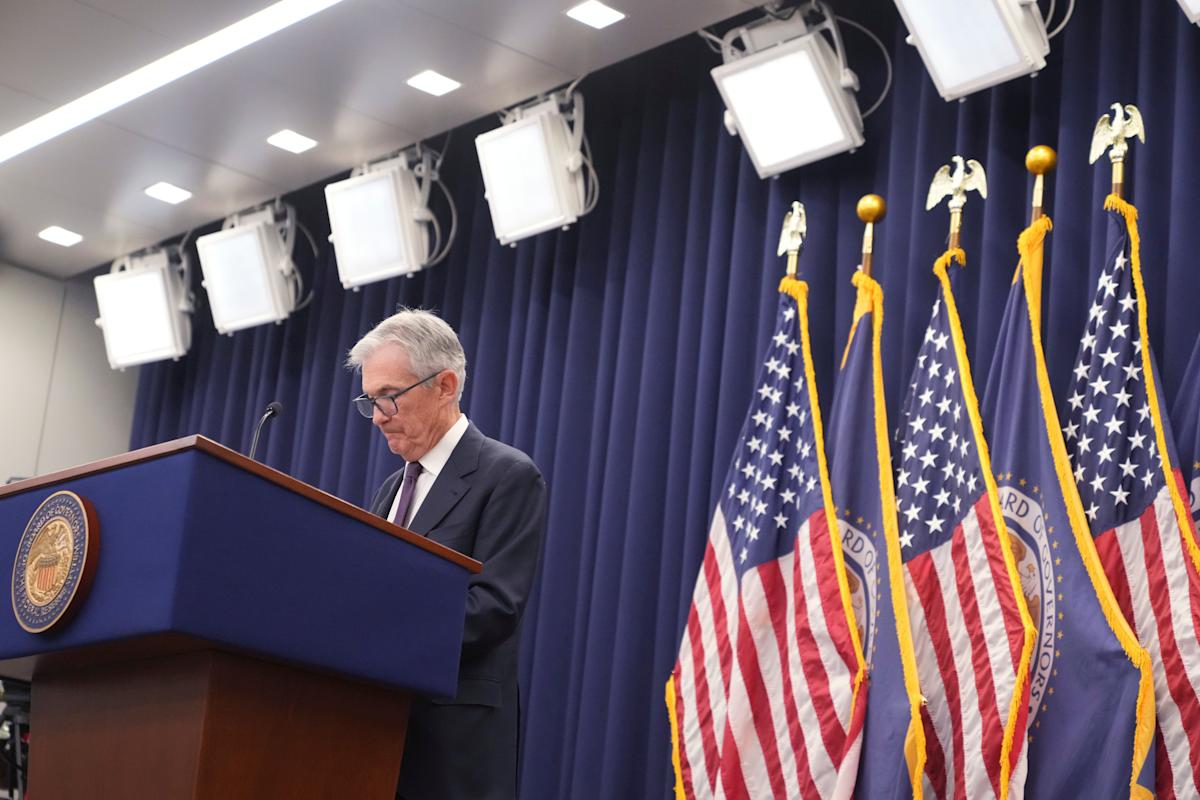
Fed Chair Jerome Powell, the head honcho of the Fed, had even said they were probably in the right ballpark for this neutral rate. So, the big question a few weeks ago was: “When will the Fed start making it cheaper to borrow money again?”
Uh Oh, Something Unexpected Happened: The Oil Shock
But then, things took a turn. A situation in Iran, which has led to a war, started causing oil prices to jump up. You know how when gas prices go up, it feels like everything else gets more expensive too? That’s because oil is a fundamental part of so many things we buy – from the gas in your car to the plastic in your phone to the fertilizer used to grow your food.
This sudden increase in oil prices is like a surprise expense that hits everyone’s wallet. It’s like if your parents suddenly had to pay way more for electricity or heating fuel. They’d have less money for other things, and they might have to cut back on some fun activities.
The news about the war in Iran has been a bit mixed. President Trump has said it will be over soon, but also that the military action needs to continue. He’s also emphasized stopping Iran from getting nuclear weapons. Regardless of how quickly the conflict ends, the effects of higher oil prices are likely to stick around for a while. Even if the war is resolved in a month or two, those higher prices could linger into the fall, affecting how much things cost.
Why This Makes the Fed’s Job Much Trickier
Now, imagine your parents are trying to decide on that allowance. If the cost of groceries suddenly goes way up because of something unexpected, they’ll have to rethink how much money they can give everyone. They might decide to hold off on lowering the allowance, or even consider raising it slightly, to help you cope with the higher prices.
That’s exactly the dilemma the Fed is facing. Consumer spending – meaning how much we all buy – makes up a huge chunk of the country’s economic growth. If people are already feeling the pinch from rising prices over the past five years, and then oil prices shoot up, they might start cutting back on their spending. This could slow down the economy.
The Fed’s main job is to keep the economy stable. They want to avoid prices going up too fast (which is called inflation) and they want to avoid people losing their jobs. They have a target for inflation, which is 2%. For over five years, inflation has been higher than that. Tariffs (which are like taxes on imported goods) have also been pushing prices up.
Even when they look at prices excluding things like energy and food (because those can change a lot), prices for other things, like services (think haircuts, movie tickets, or streaming subscriptions), have been “sticky,” meaning they’re not coming down easily. The latest numbers show this inflation is still around 3.1%. Even when looking at the Consumer Price Index, which measures a broader range of goods and services, prices were still rising by 2.5% before the Iran war really escalated.
So, you have a situation where prices are already a bit high, and now the cost of oil is making everything else potentially more expensive. This makes the Fed’s job of deciding what to do with interest rates much more complicated.
The Big Question: Lower Rates or Keep Them High?
Before the oil shock, many in the Fed were leaning towards lowering interest rates. This would make it cheaper for businesses to borrow money to expand, and for people to take out loans for big purchases like cars or houses. It would also make it less attractive to save money, encouraging people to spend and invest.
However, with the uncertainty of the oil shock and its potential to further increase inflation and slow down consumer spending, the Fed now has to be extra careful.
- If they lower interest rates: This could help boost the economy if people start spending more because borrowing is cheaper. But, it could also make inflation even worse because more money chasing fewer goods can drive prices up.
- If they keep interest rates high (or even raise them): This would make borrowing more expensive, which might slow down the economy and help fight inflation. But, it could also make it harder for businesses to grow and for people to afford loans, potentially leading to job losses.
Esther George, a former president of the Kansas City Fed, has voiced this concern. She believes the Fed should stop focusing so much on when they can cut rates. She feels that with all the uncertainty – especially from the oil situation and other economic factors that could go in many different directions – it’s not the right time to try and figure out that exact “neutral rate.” It’s like trying to navigate a ship in a storm; you need to focus on staying afloat and safe, not on reaching a specific destination as quickly as possible.
So What? How Does This Affect Your Wallet?
This might sound like a bunch of grown-up talk, but it has real-world consequences for you and your family:
- Savings Accounts: If the Fed keeps interest rates higher, the “reward” you get for saving money in a bank account might stay relatively good. This means your savings could grow a bit faster. However, if inflation is also high, the money you save might not buy as much in the future as it does today.
- Borrowing Money: If interest rates stay high or go up, borrowing money becomes more expensive. This means things like car loans, student loans (if you’re thinking about college), or even credit card interest could cost you more. If you or your parents are planning to buy a car or a house, higher interest rates can significantly increase the monthly payments.
- Prices of Goods: As mentioned, higher oil prices can ripple through the economy, making everyday items like gas, groceries, and even the cost of shipping goods more expensive. This means your allowance might not stretch as far as it used to.
- Job Market: If the Fed raises rates too much to fight inflation, it could slow down the economy so much that businesses start laying off workers. While the current job market is stable, a significant economic slowdown could affect future job opportunities for you when you enter the workforce.
- Investments: The stock market and other investments are often influenced by interest rate decisions. When rates are low, investors might move their money into stocks hoping for higher returns. When rates are high, bonds and savings accounts can become more attractive. The uncertainty from the Fed’s decision and the oil shock can lead to more ups and downs in the market.
Essentially, the Fed’s decisions, influenced by events like the war in Iran and its impact on oil prices, can affect how much your money is worth, how much it costs to buy things, and how easy or difficult it is to borrow money for future goals.
What Can You Do Next?
With all this economic uncertainty, it’s always a good idea to stay informed and be smart with your money.
Actionable Step: Research “high-yield savings accounts.” Even if you don’t have a lot of money saved right now, understanding how you can make your money work for you is a valuable skill. High-yield savings accounts are bank accounts that offer a higher interest rate than traditional savings accounts. Learning about these can help you understand how interest rates can benefit you when you do start saving. You can also look into how inflation affects the purchasing power of money.
Disclaimer: This is for educational purposes only and not financial advice.